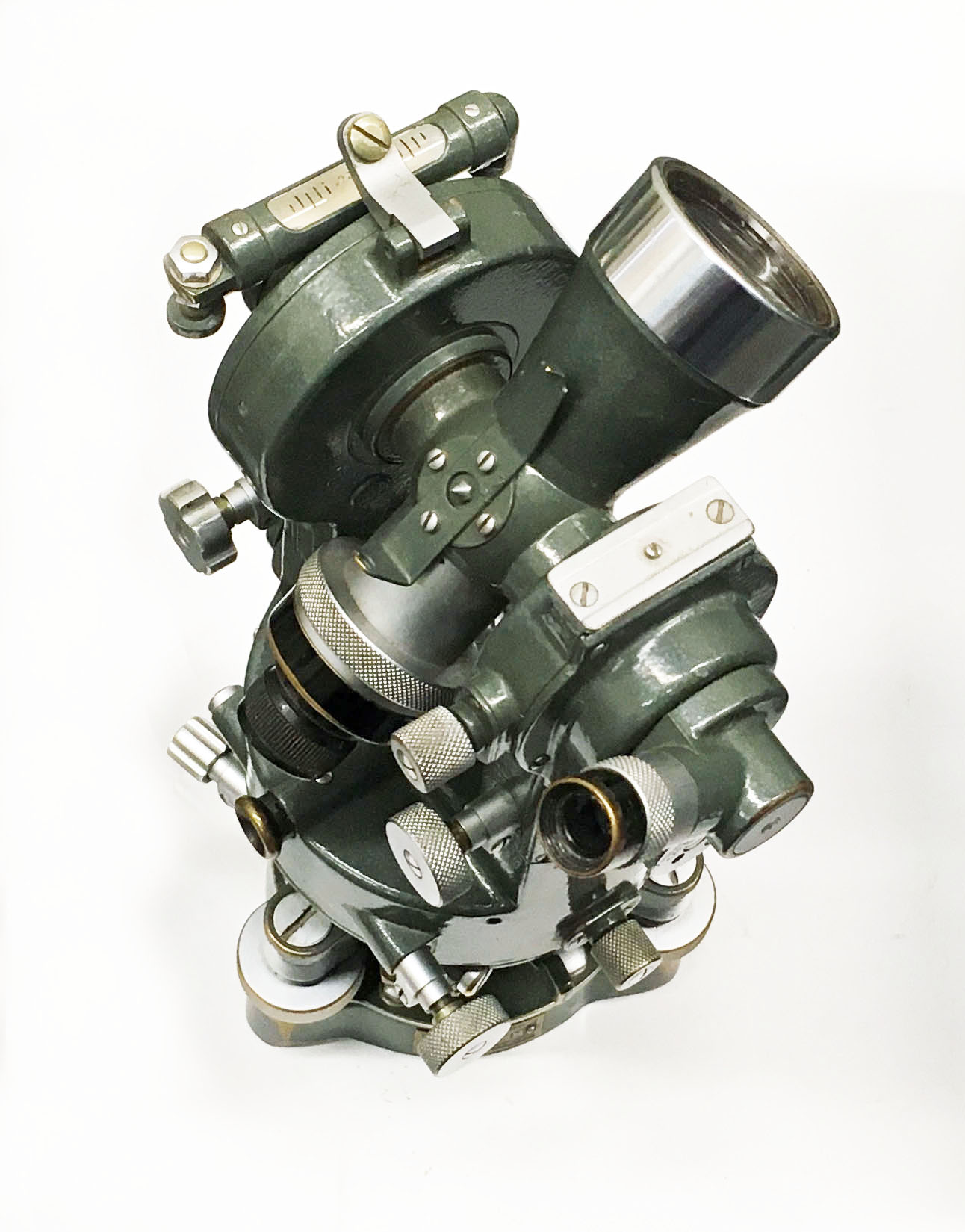
The term “theodolite” can be traced back to the sixteenth century in Europe. Although there were several variations of it, basically it was an instrument that could measure vertical and horizontal angles.
During the first half of the nineteenth century, the term “transit” was popularized in America. The transit was fundamentally a theodolite in which its telescope could be completely rotated 360 degrees in a vertical plane around the horizontal axis. This enabled back-sighting and fore-sighting on opposite sides of the vertical circle and doubling of angles resulting in more accurate line production and measurement of angles.
In this section instruments that are included are named theodolites by their manufacturer, which most often are those manufactured in Europe. As well theodolites manufactored in Europe were often called transit theodolites meaning they were a theodolite that could be transited (rotated 360 degrees in a vertical plane around the horizontal axis).
In researching transits and/or theodolites it is adviseable to review these instruments under both headings in the collection.
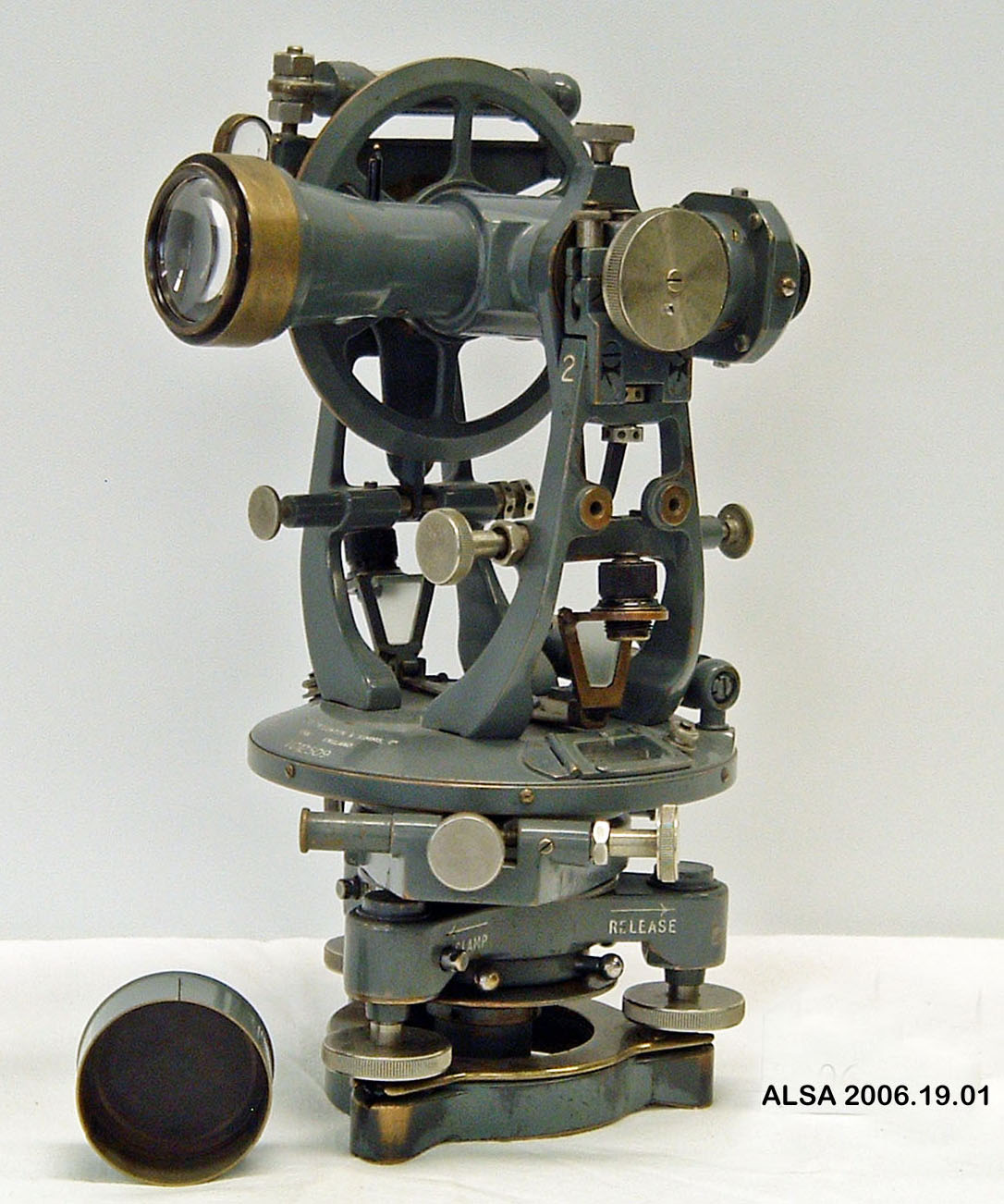
Theodolite, Cooke, Troughton & Simms: s/n VO12509
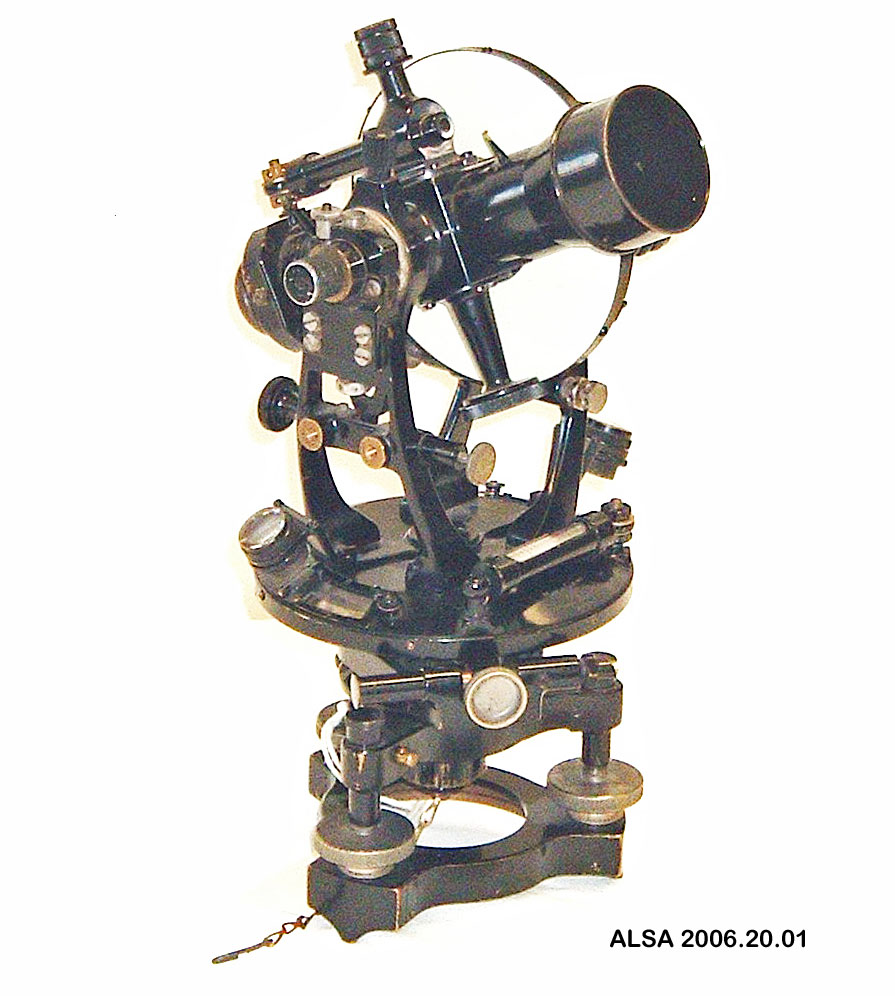
Theodolite, Cooke, Troughton & Simms: s/n VO36315
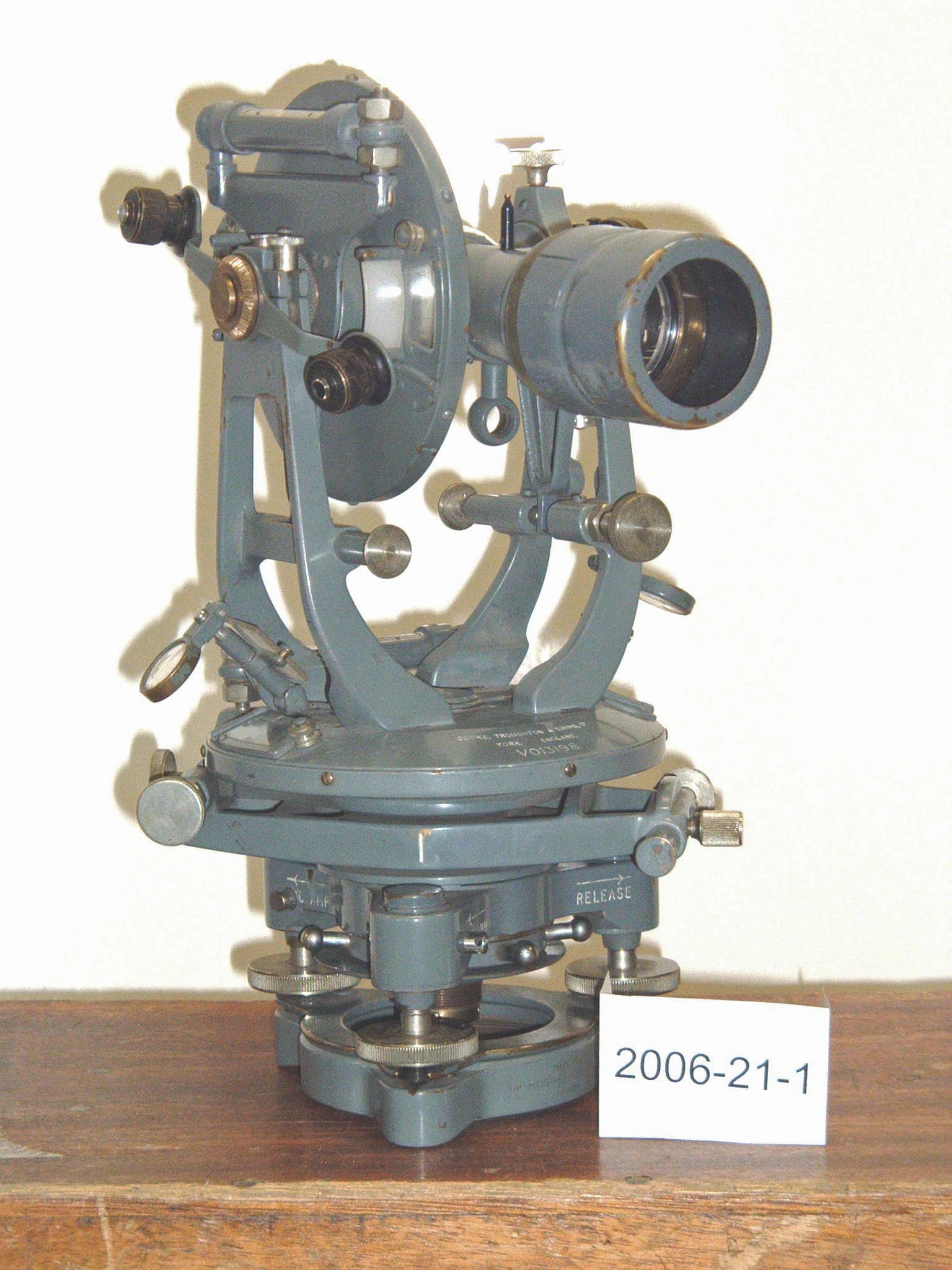
Theodolite, Cooke, Troughton & Simms: s/n VO13198
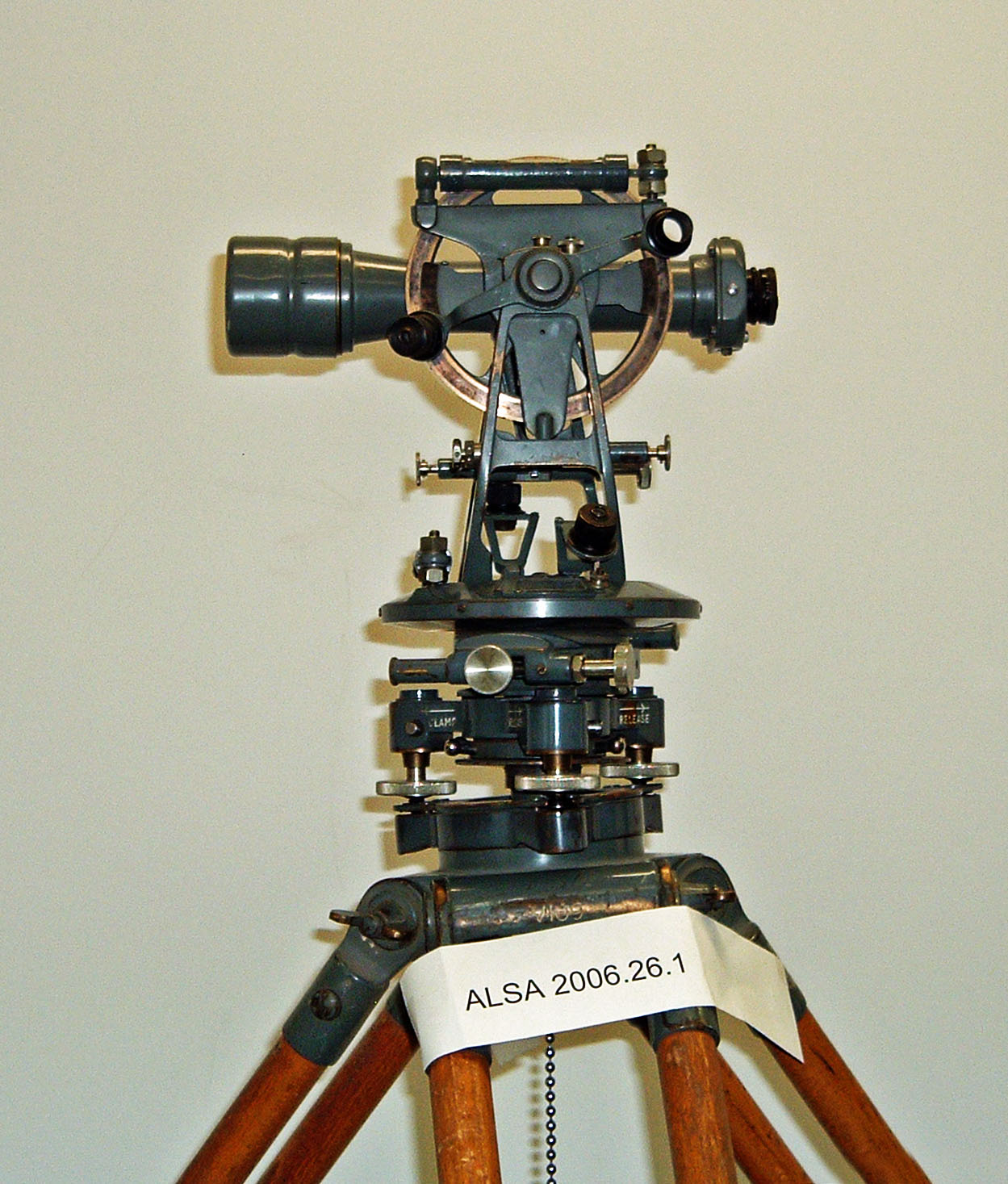
Theodolite, Cooke, Troughton & Simms: s/n VO12065
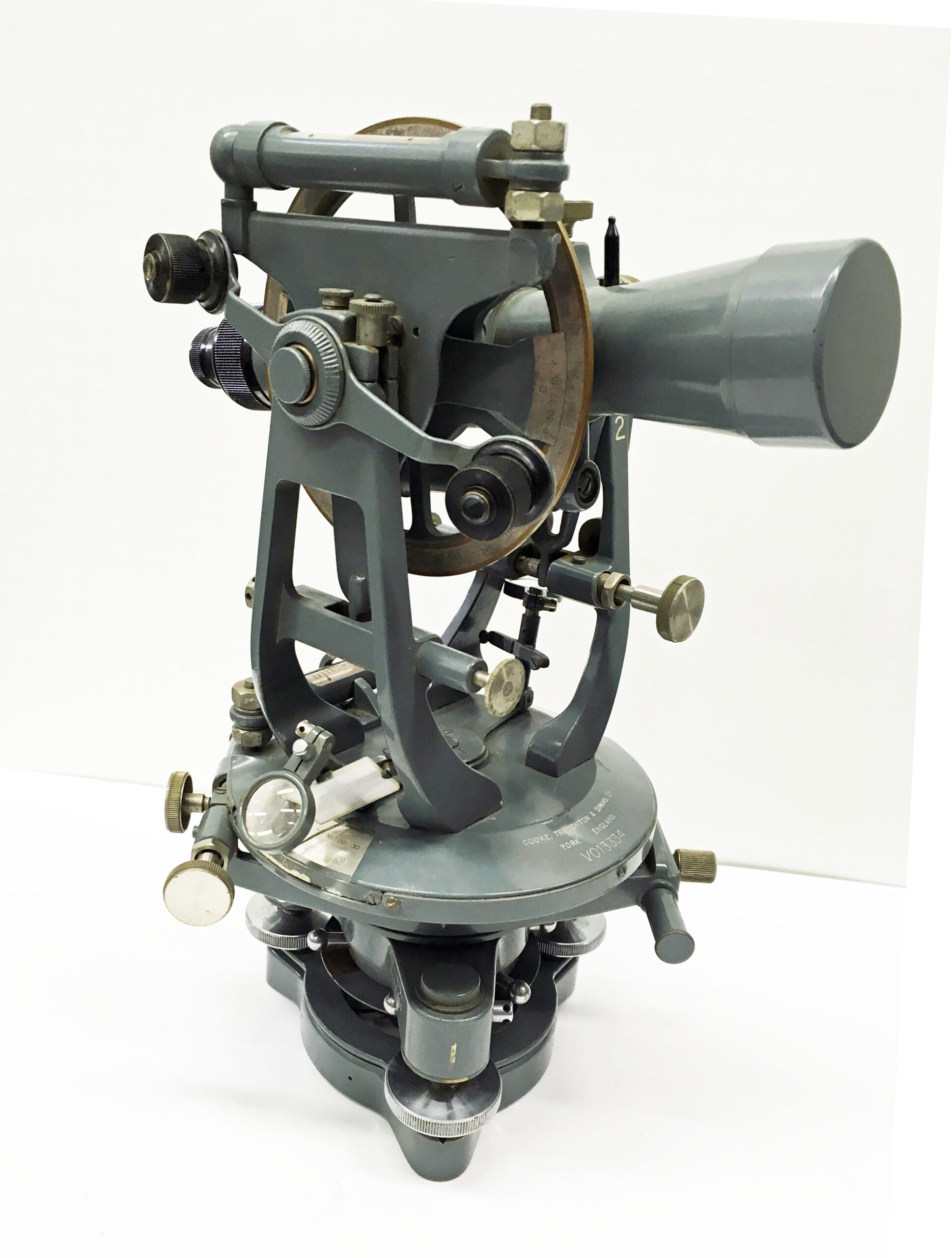
Theodolite, Cooke, Troughton & Simms: s/n VO13334
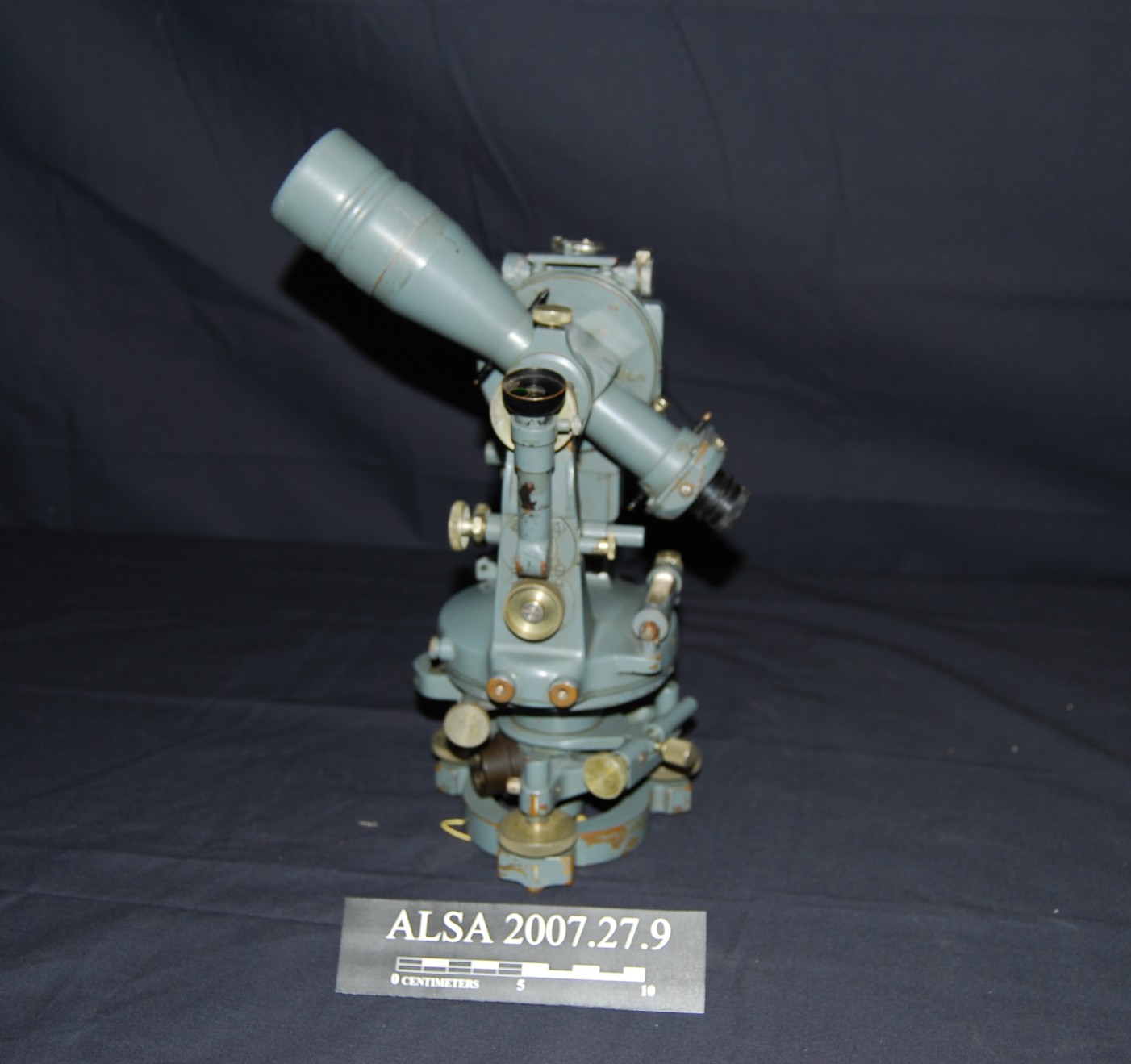
Theodolite, Tavistock: s/n VO41314

Theodolite, Wild T16
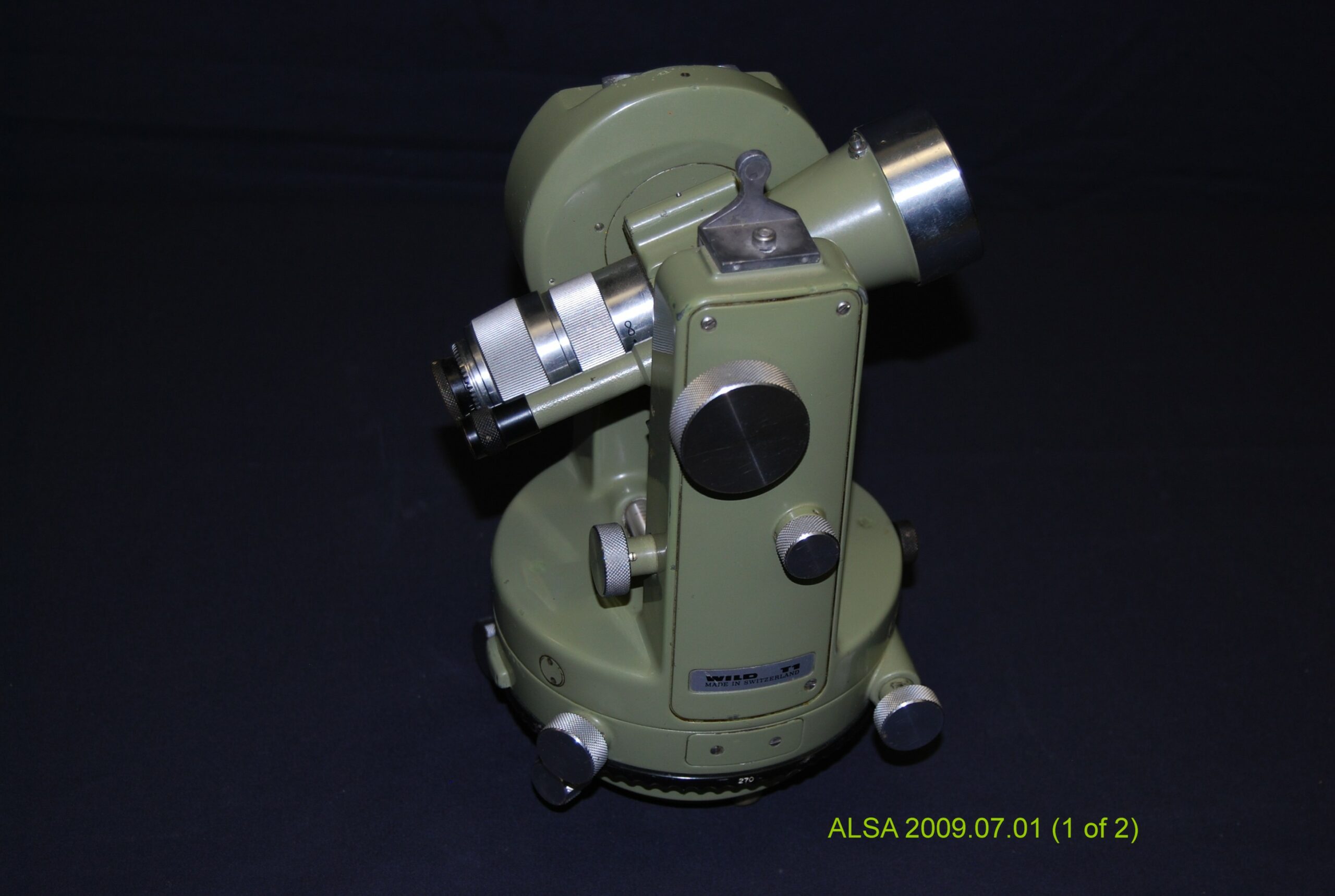
Theodolite, Wild T1
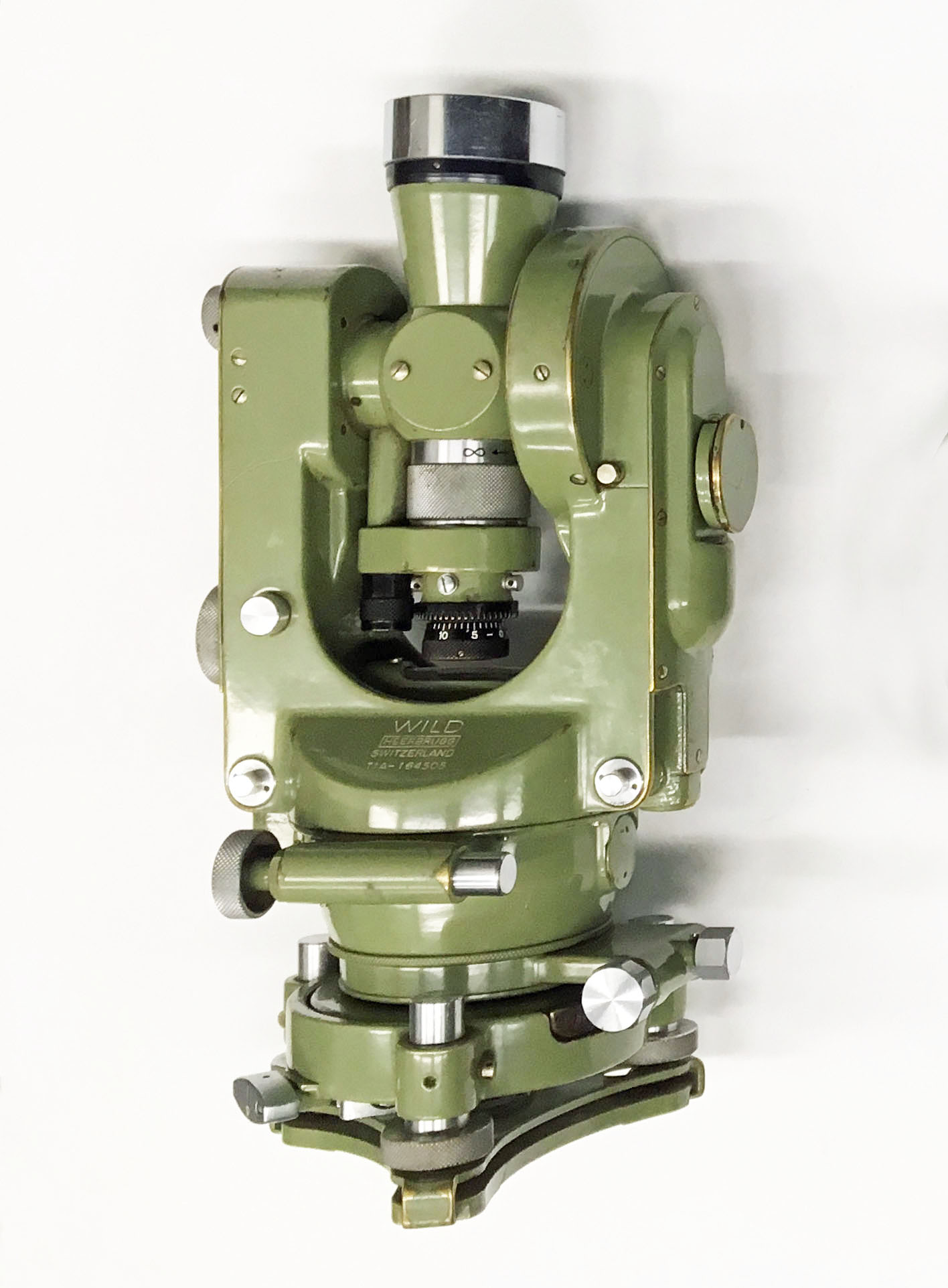
Theodolite, Wild T1A
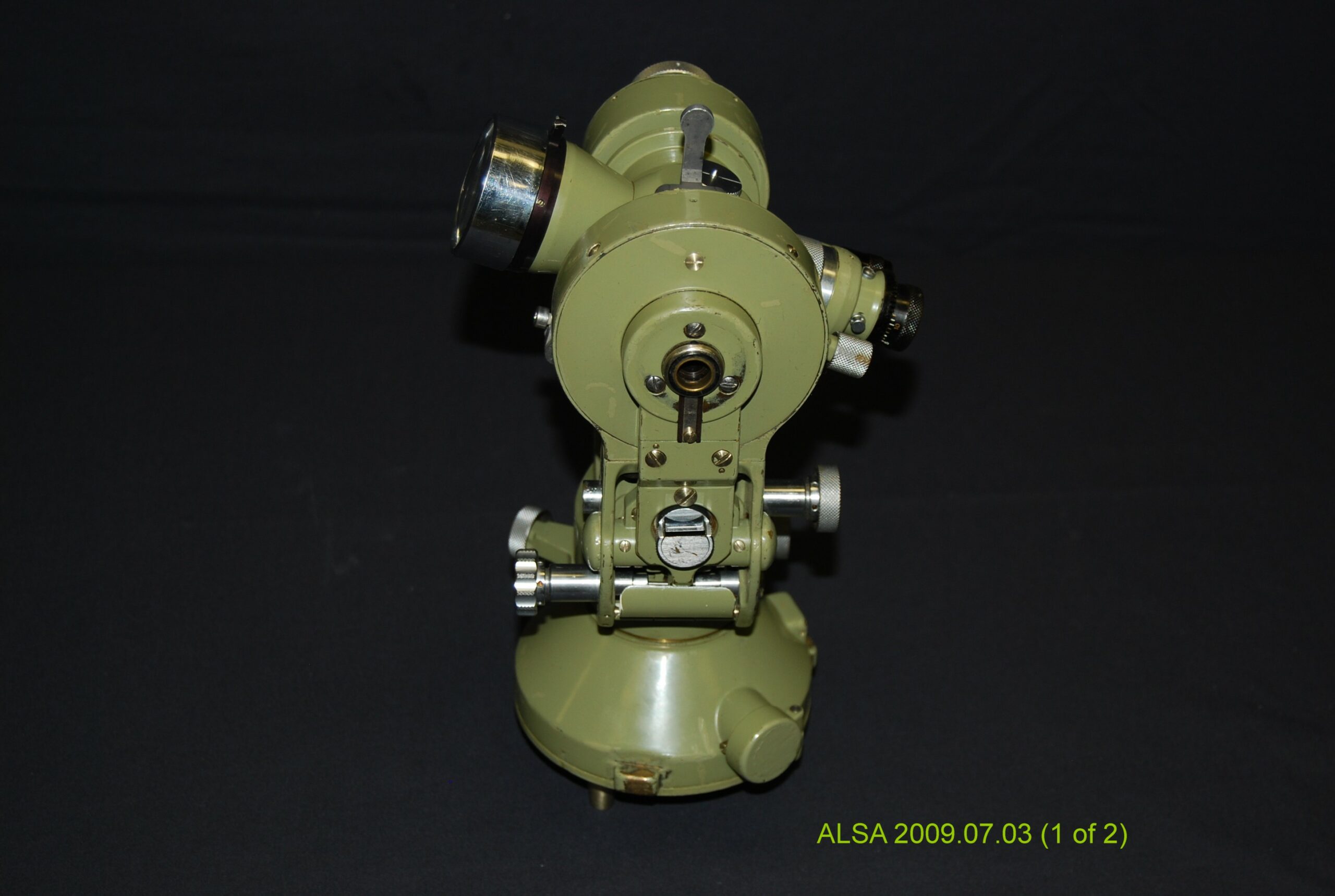
Theodolite, Wild T2
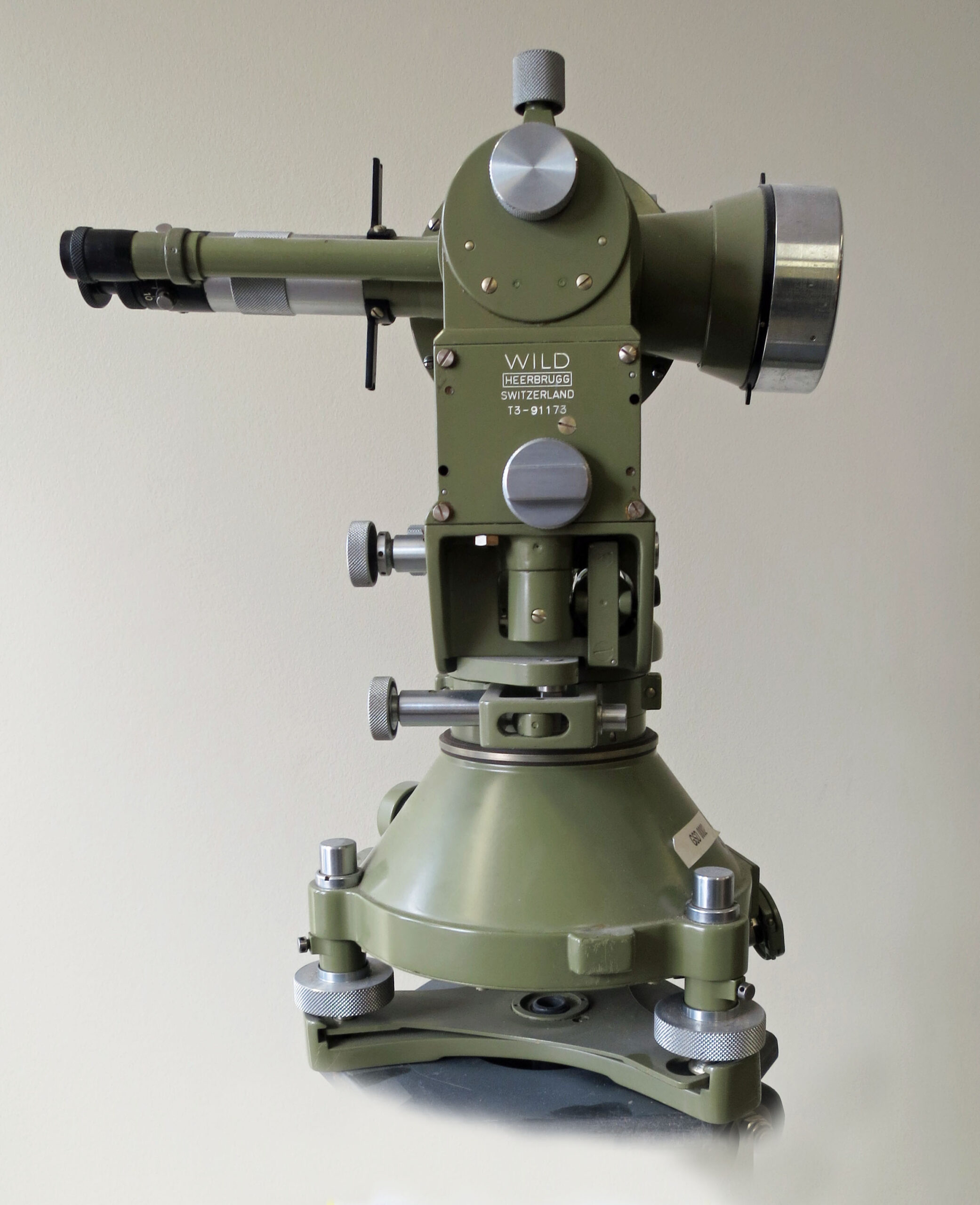
Theodolite, Wild T3
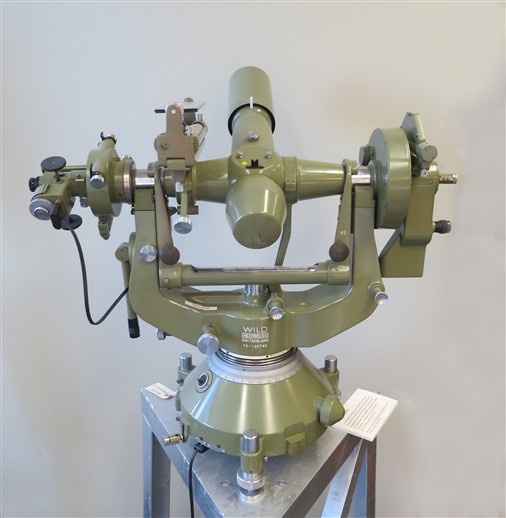
Theodolite, Wild, T4
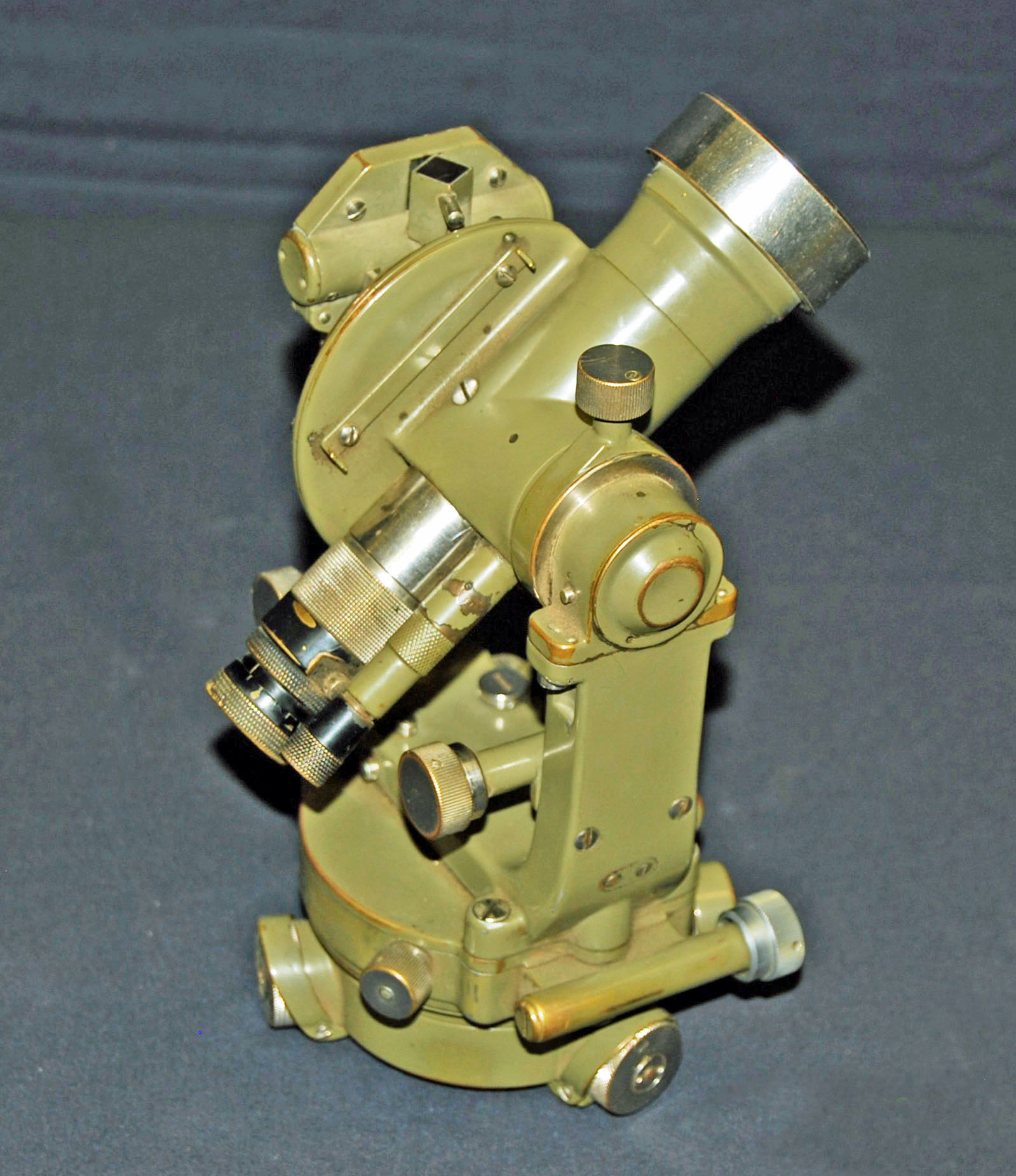
Theodolite, Kern, DK2
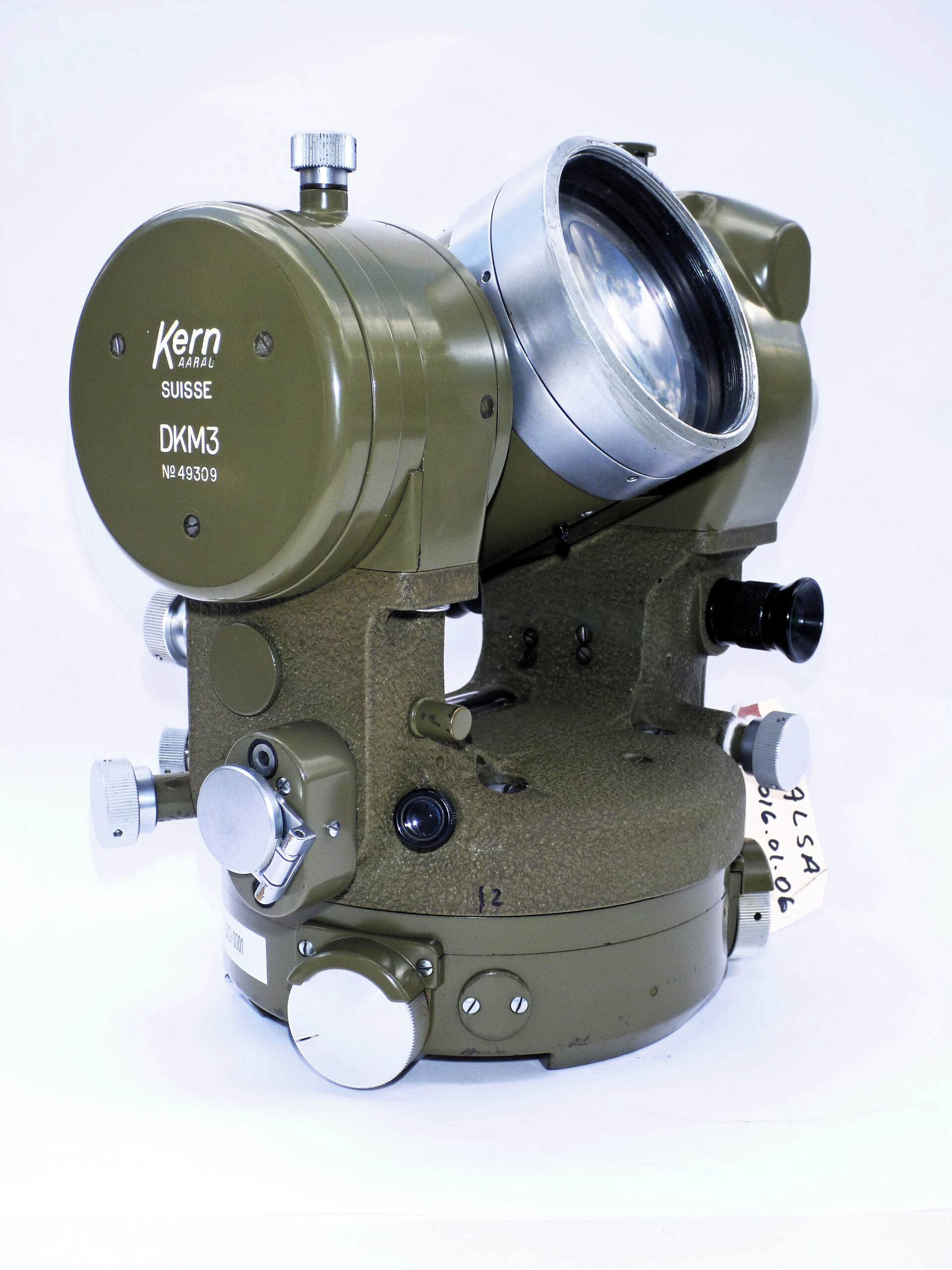
Theodolite, Geodetic, Kern DKM 3
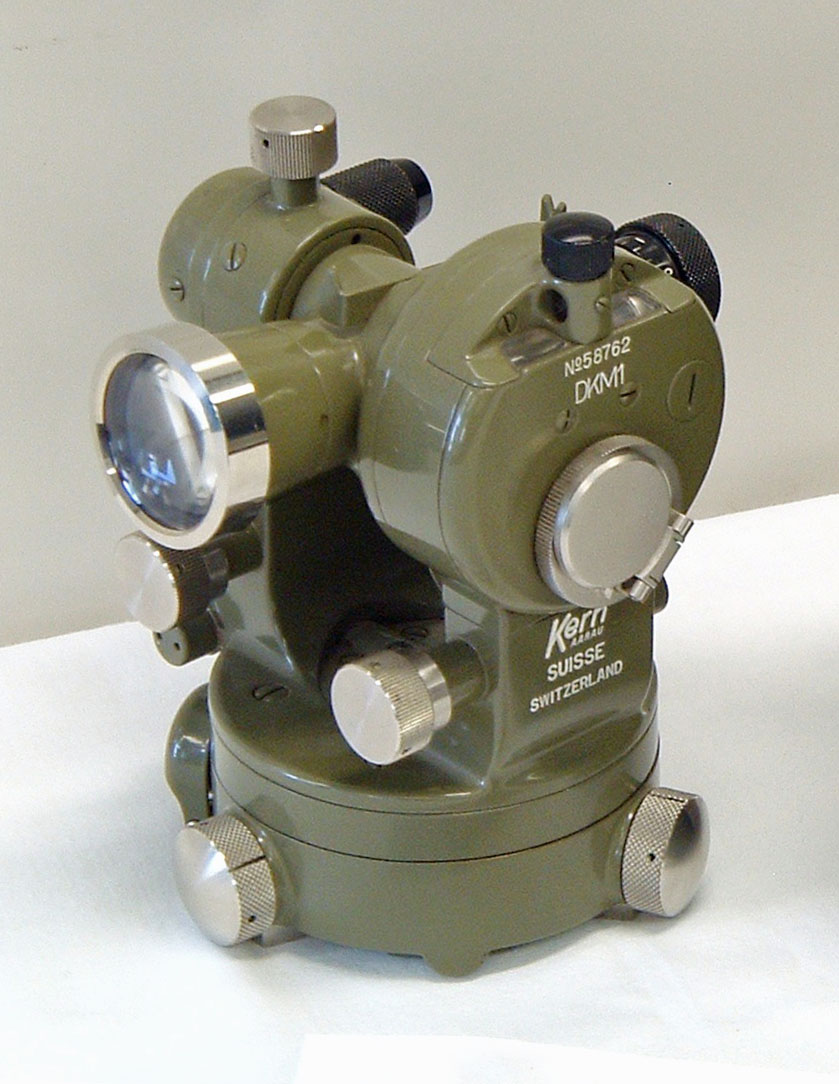
Theodolite, Kern, DKM 1
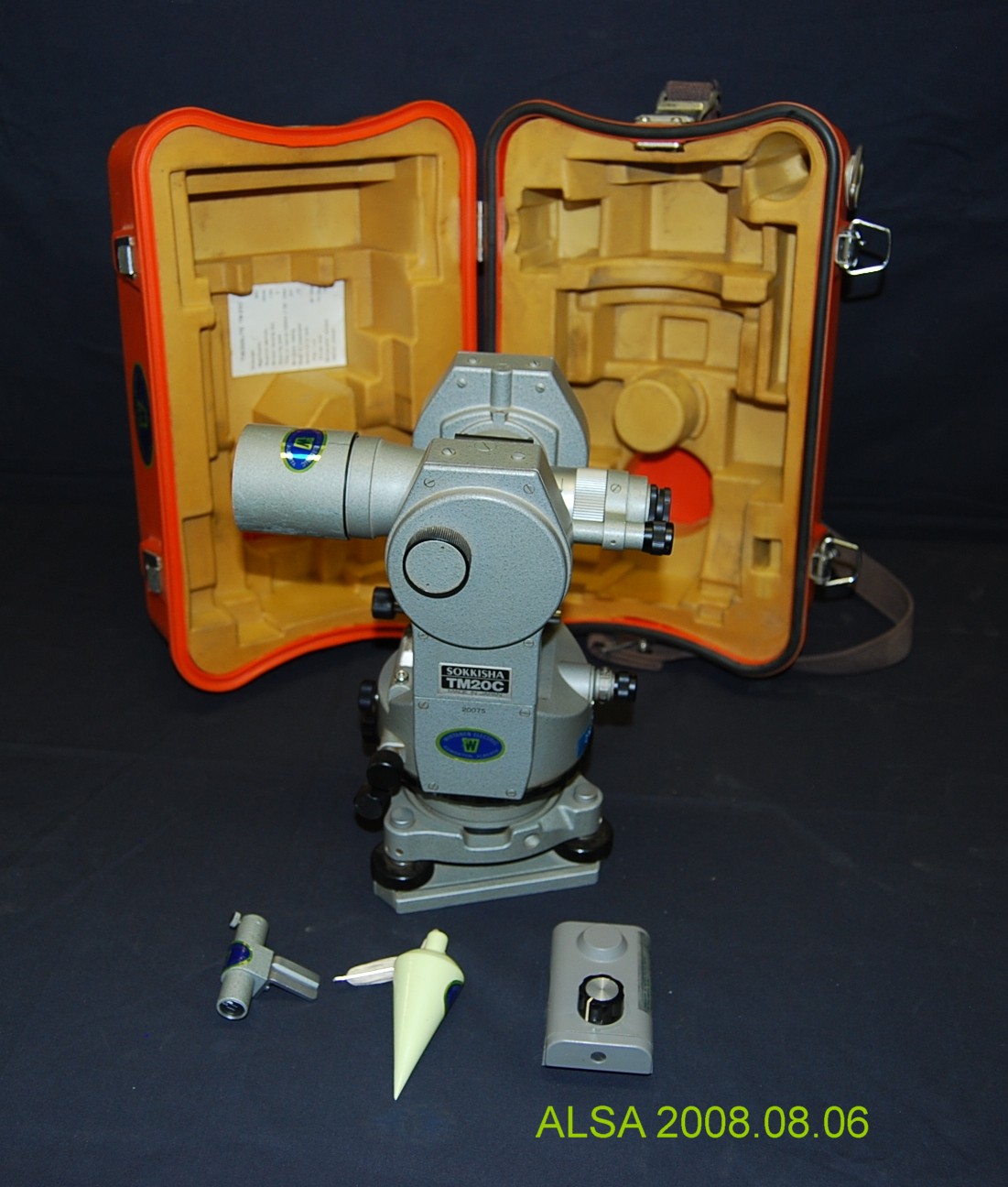
Theodolite, Sokkisha, TM20C
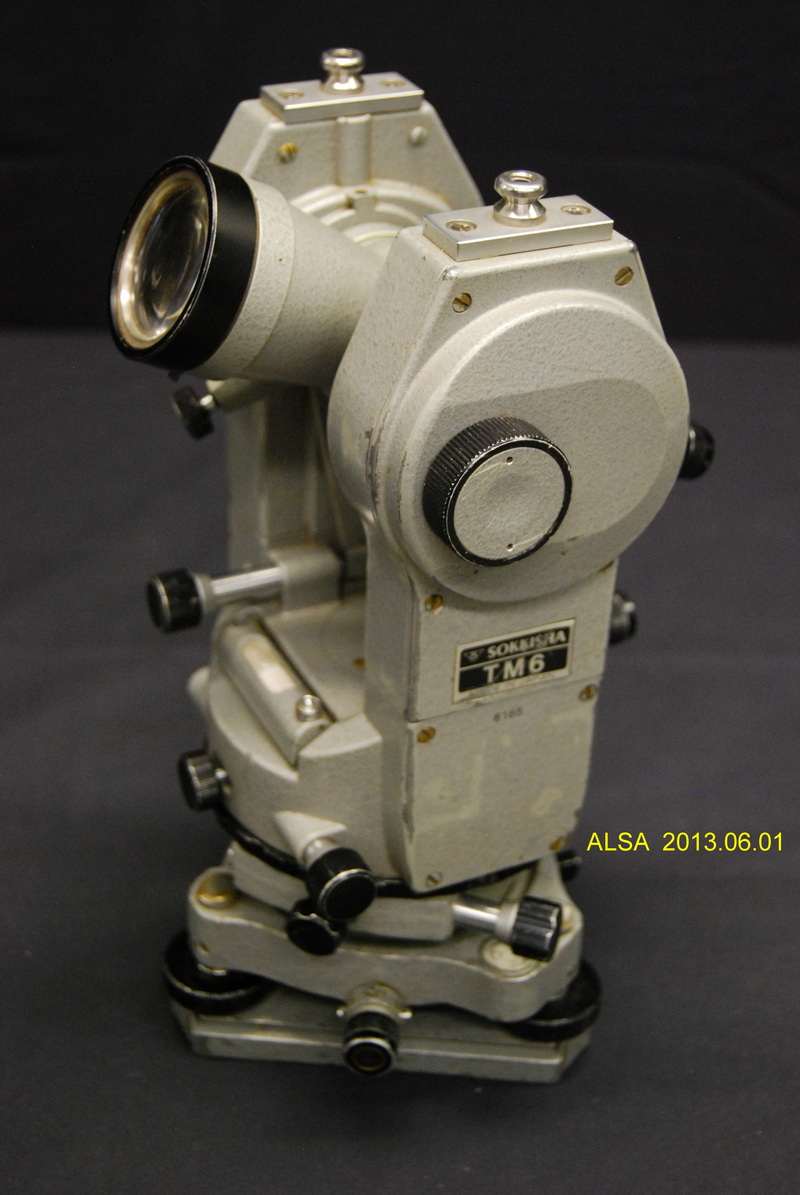
Theodolite, Sokkisha, TM6
Theodolite, Wild, T4
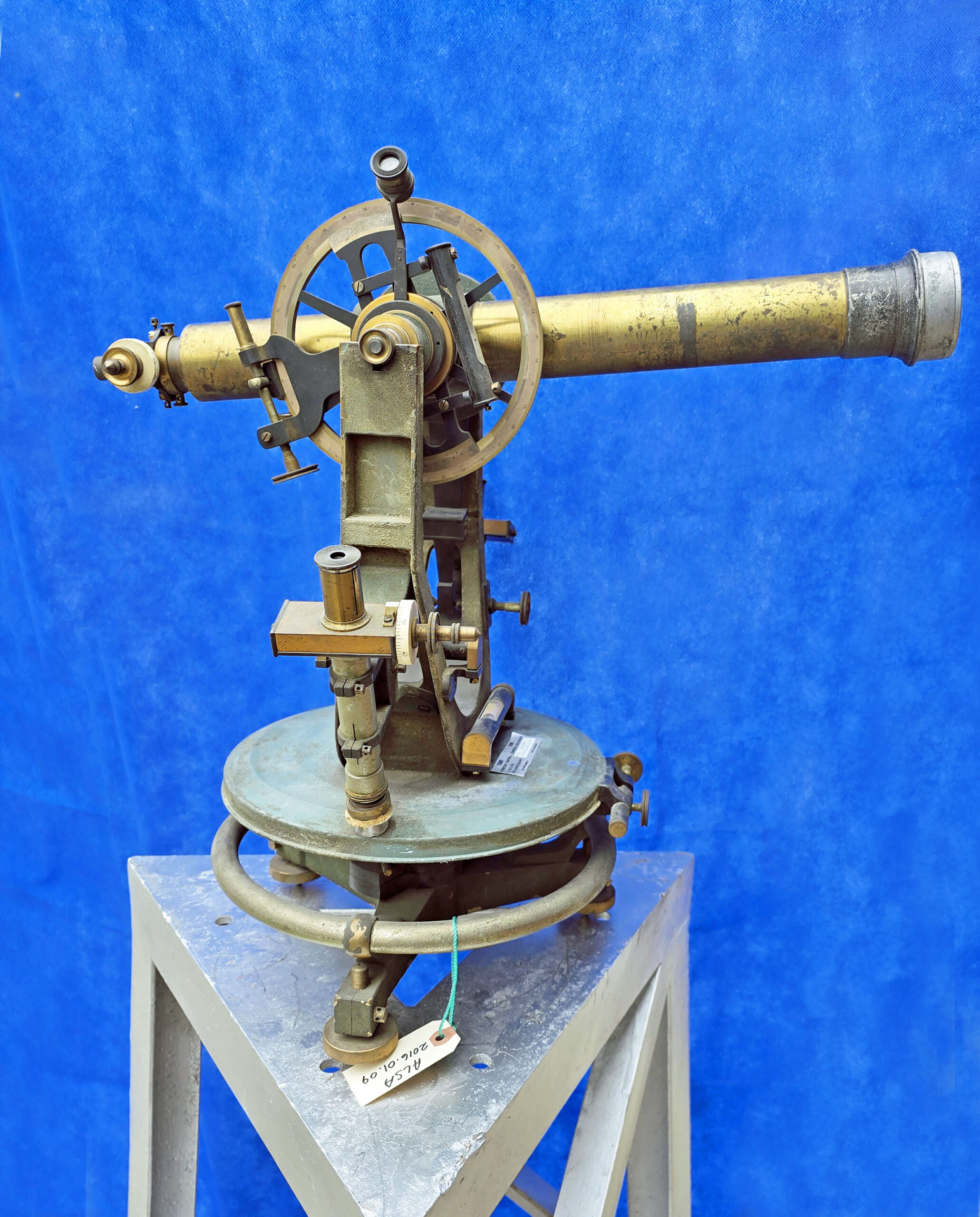
Theodolite, Geodetic, Bausch, Lomb, Saegmuller Co.
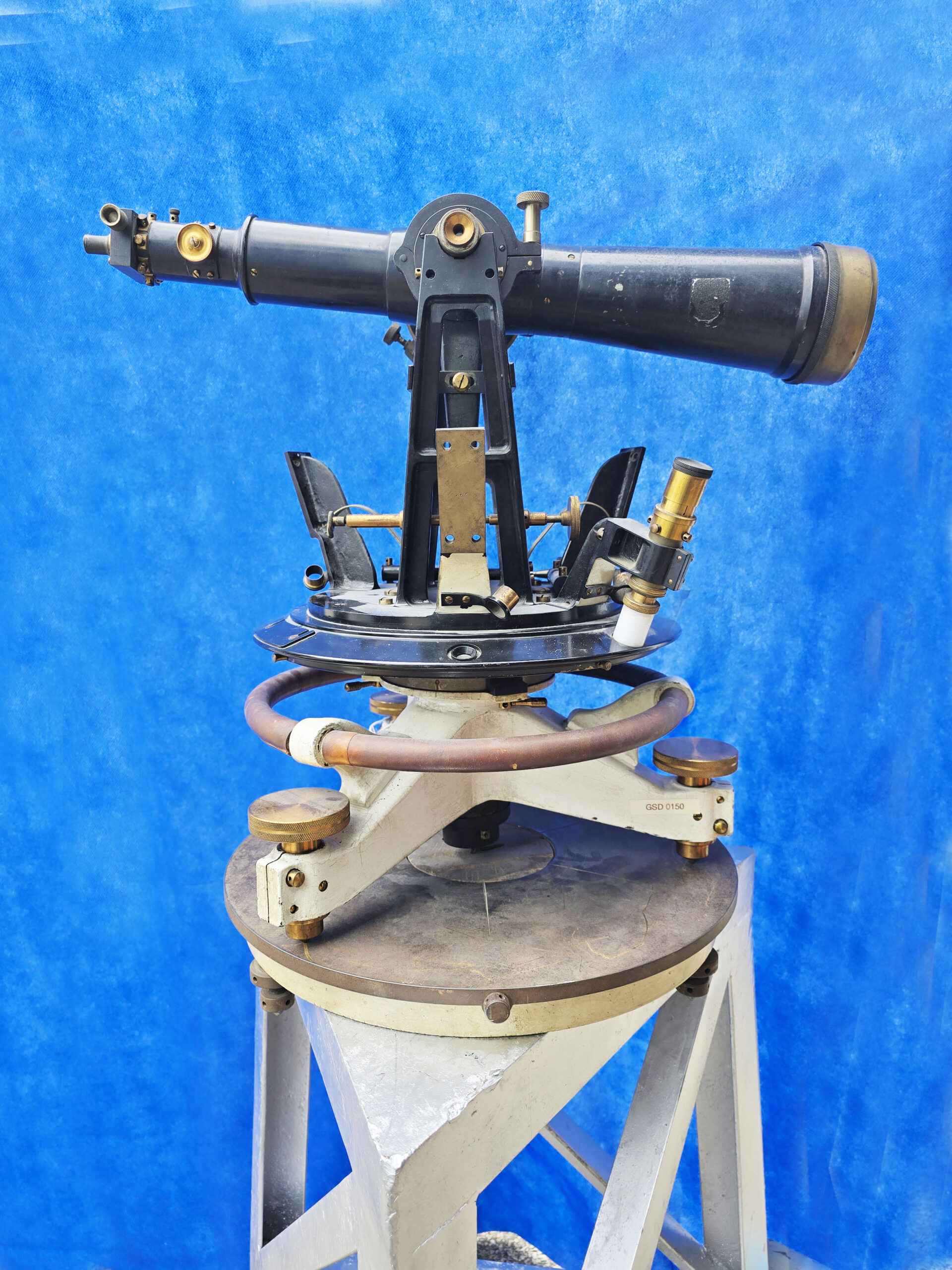
Theodolite, Geodetic, E.R. Watts & Son
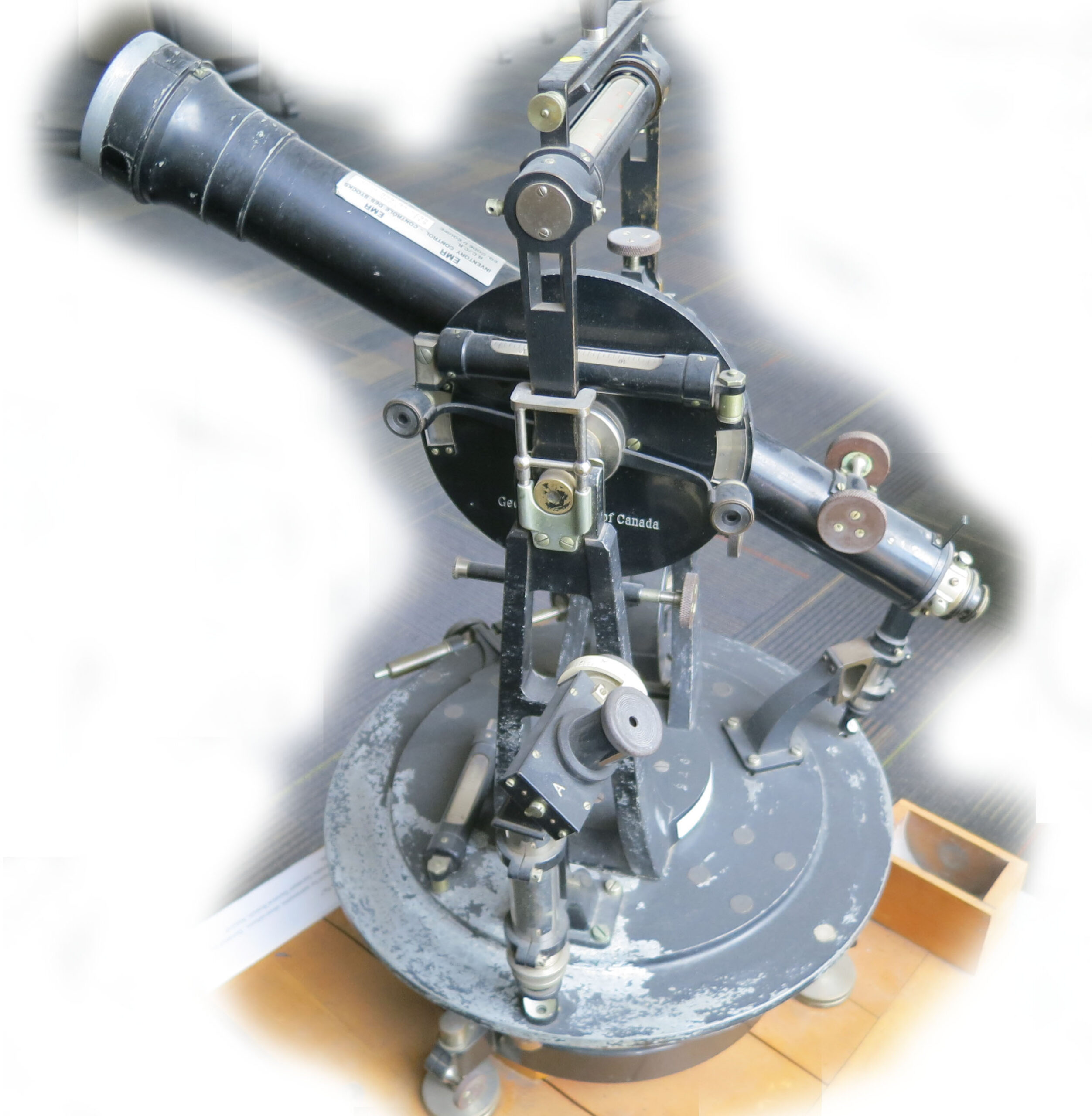
Theodolite, Geodetic, Kern
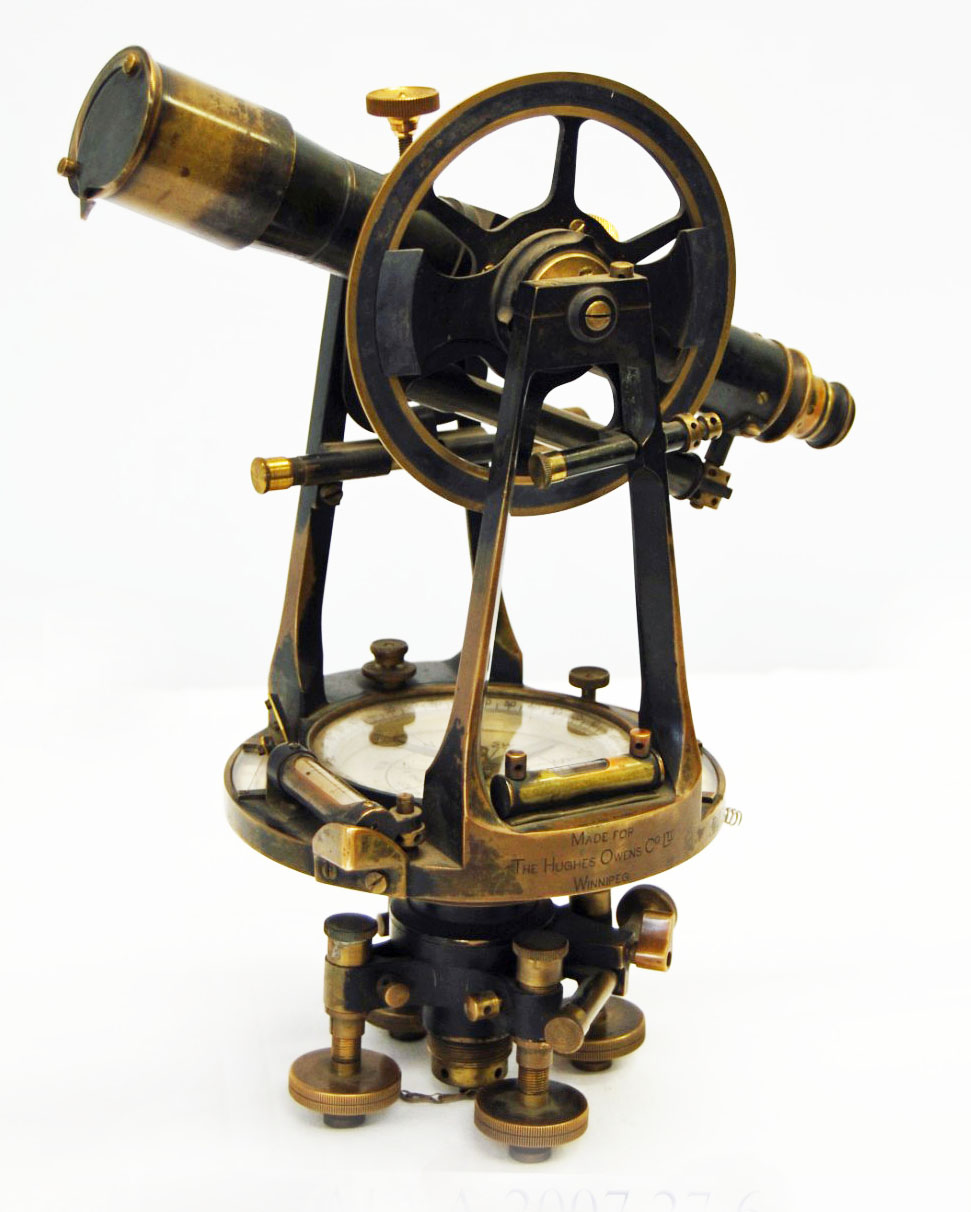
Transit Theodolite, T. Cooke & Sons Ltd.
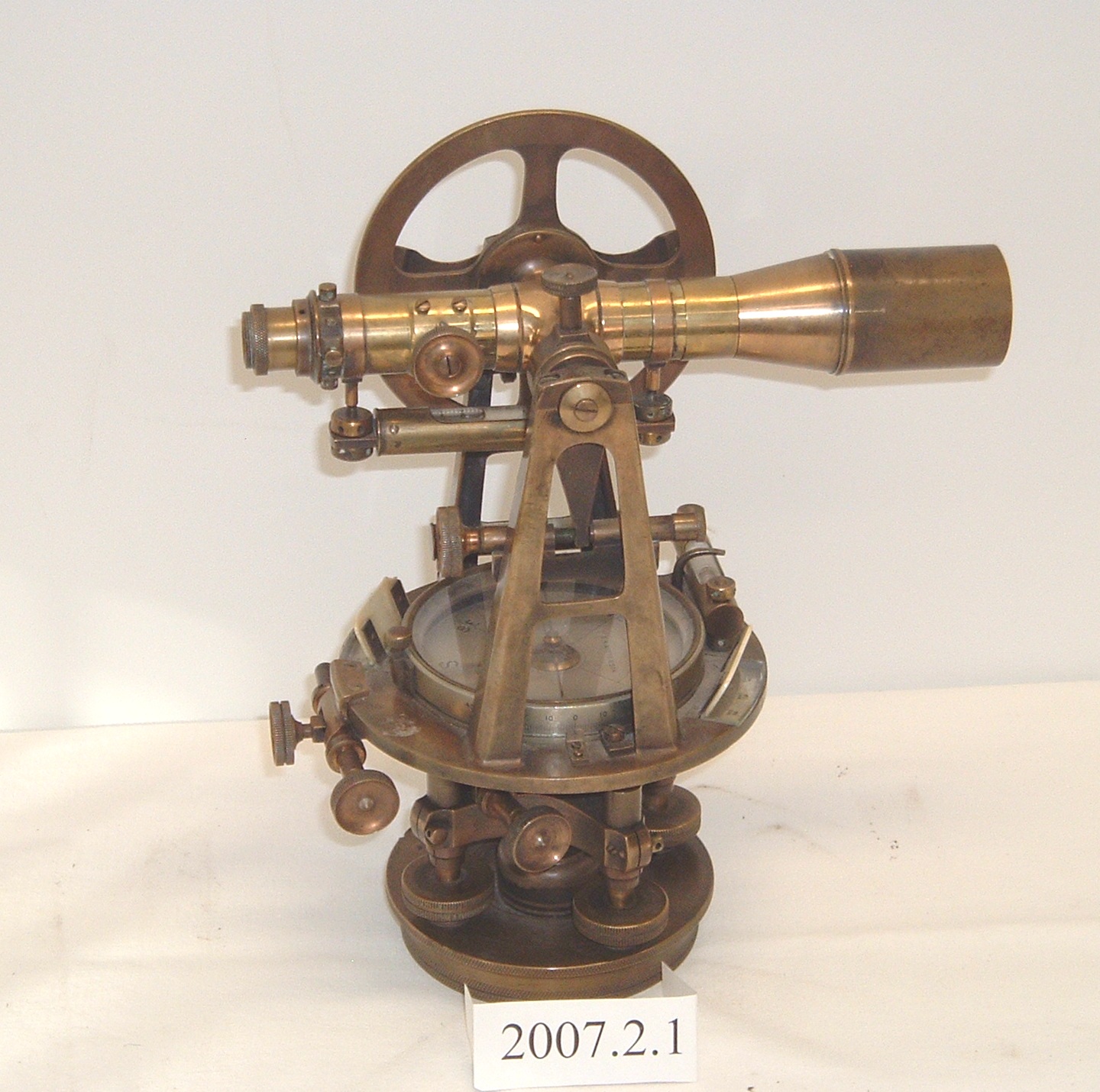
Transit Theodolite, E. R. Watts & Son
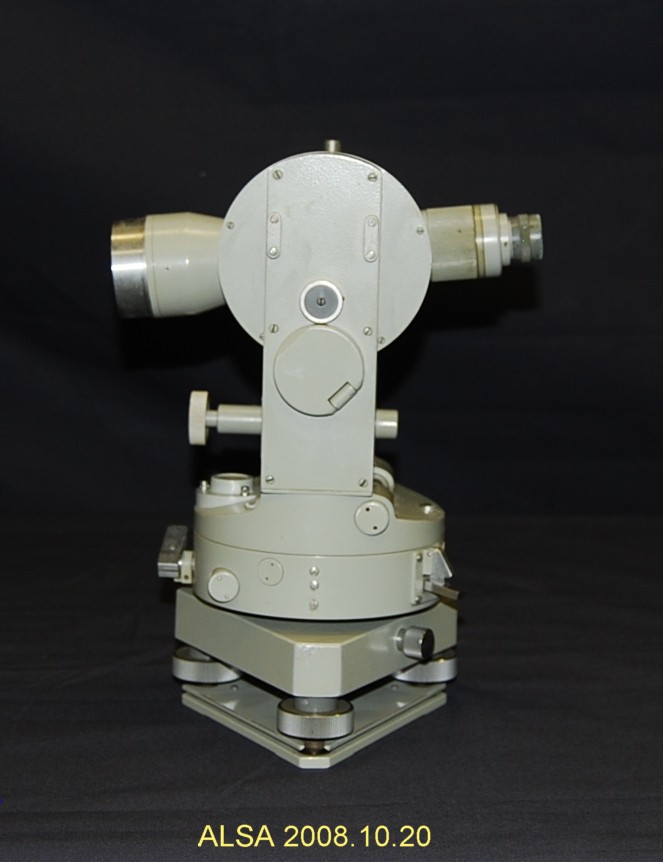
Theodolite, aus JENA